Product compliance – what is it?
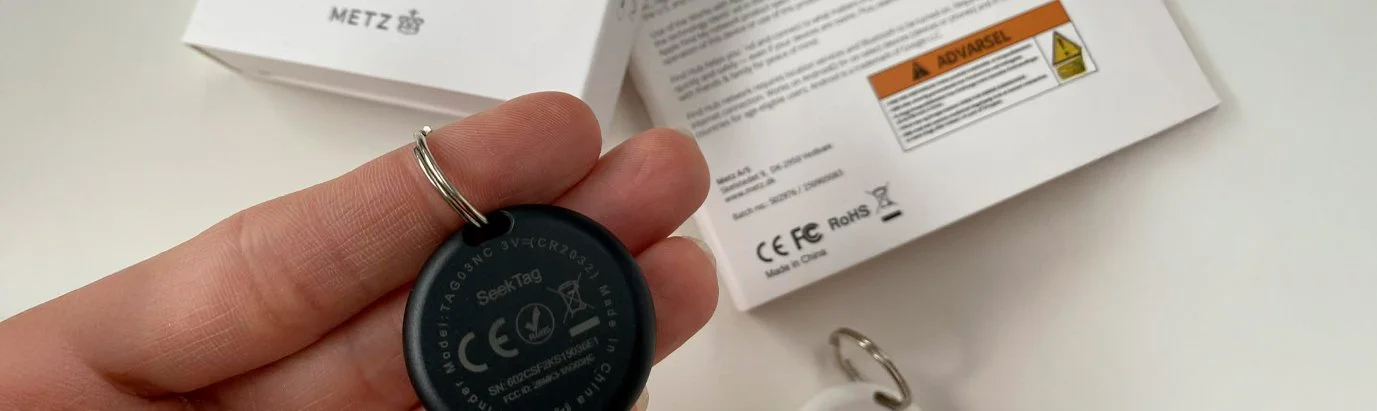
What is product compliance and why is it important?
Product compliance means ensuring that products meet all applicable legal requirements before being placed on the market. This includes laws, directives, and standards related to safety, materials, labeling, and intended use. In practice, it means products are legal to sell, safe to use, and backed by valid documentation.
What does product compliance mean?
A compliant product meets the requirements set out in relevant legislation and standards. Depending on the product, this includes:
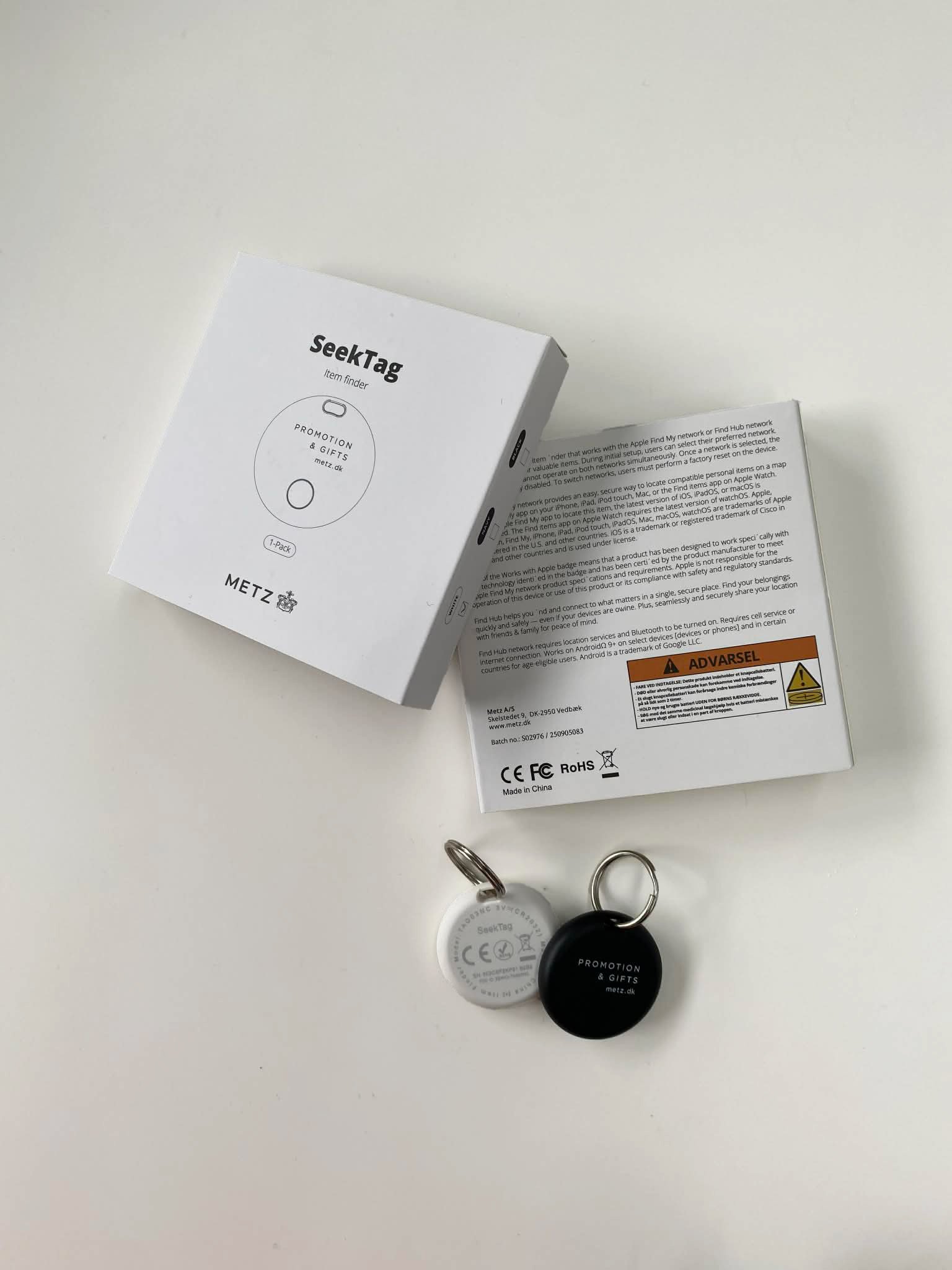
Chemical regulations such as REACH
CE marking and product safety requirements
Approval for specific uses (e.g. toys, food contact materials, electronics, PPE)
Correct labeling and required markings
Technical documentation and test reports
In short, a compliant product can be legally placed on the market and safely used for its intended purpose.
An extended approach to product compliance
At Metz, product compliance starts with ensuring that products meet all legal and safety requirements. We then extend this by systematically verifying material data and product-related claims, including:
Recycled or organic-based materials
Certifications and material documentation
Claims used in communication and branding
If a claim cannot be documented, we do not use it.
This ensures consistency between the product, its documentation, and how it is described.
Why does Metz place strong focus on product compliance?
A product being available on the EU market does not necessarily mean it is fully compliant. We often see that required documentation is incomplete, incorrect, or not aligned with applicable legislation. Declarations of conformity may be missing, and claims about recycled or certified materials are sometimes made without valid proof.
That is why verification and control are essential. Both for legal compliance and for product-related data.
How does Metz work with product compliance?
At Metz, product compliance is integrated throughout the process, from sourcing to final delivery. Our approach includes:
Compliance before purchase
Products are only approved and purchased once relevant legal and safety requirements are met. We require valid compliance documentation from suppliers before purchase.Third-party verification
Documentation is reviewed by an independent partner with expertise in regulations and directives.Verification of markings
We ensure required markings and certifications are in place, such as CE or material-specific labels.Validation of documentation
Certificates, test reports, and related documents are checked for validity, relevance, and status.Verification of material data and claims
For e.g. recycled materials, we require documentation and validated data.Risk-based and multi-step processes
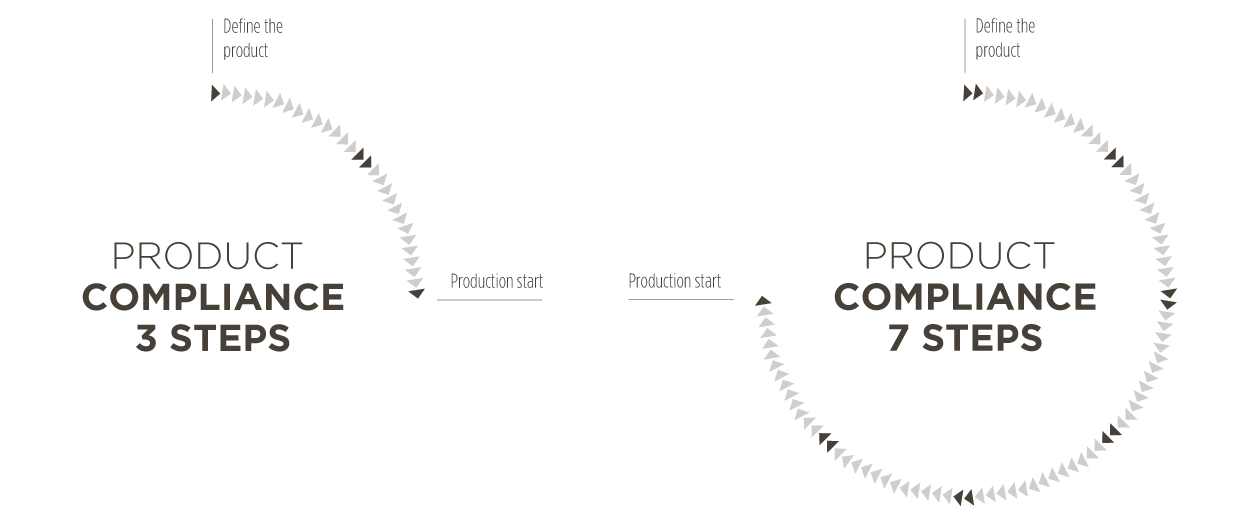
The level of control depends on the product, materials, and intended use. Some products require only a few checks, while others go through more extensive multi-step processes, typically 3-7 steps, depending on risk and complexity.
This ensures compliance is handled systematically and consistently across all products
How does this create value for you as a customer?
Our approach is designed not only to ensure compliance, but also to create practical value. This means our that you:
Receive products that are compliant and ready for the market
Avoid spending time on documentation and regulatory checks
Reduce the risk of non-compliance, recalls, or unsupported claims
Can rely on product data and documentation in communication with their own customers
Benefit from a more efficient procurement process with fewer compliance-related delays
We take on the complexity, so our customers can focus on their core business.
Why is product compliance important?
Product compliance is a basic requirement in regulated markets. It ensures that:
✔️ Products are safe for consumers and end-users
✔️ Products meet legal requirements and can be placed on the market
✔️ Companies reduce the risk of non-compliance, recalls, or sanctions
✔️ Documentation is available to demonstrate compliance
✔️ Customers and partners can trust that products meet requirements
✔️ Product information is transparent and supported by verifiable data
Without product compliance, products cannot be legally sold.
What you can do to strengthen product compliance
To strengthen product compliance in your company, you can work with partners who manage the process for you, or you can:
Identify which regulations apply to your products
Ensure products are compliant and safe before market entry
Require documentation
Verify certificates, reports, and markings
Use independent expertise when needed
Integrate compliance into procurement and approval processes
Avoid claims that cannot be fully documented
The key is to build compliance into your processes, not handle it afterwards.
Conclusion
Product compliance is a core requirement for placing products on the market. At Metz, it is a structured, integrated process that ensures products meet legal requirements, are safe to use, and are supported by valid documentation. We strengthen this further by verifying product data and material-related claims, creating consistency between the product and how it is described.
Ultimately, product compliance is about making sure products are legal, safe, and correctly documented.
Want to learn more about how we work with product compliance in practice?
Feel free to reach out or explore our ESG & COP Report