How Metz works with the UN Sustainable Development Goals in practice

When we talk about responsibility today, we can’t avoid mentioning the UN’s 17 Sustainable Development Goals, also known as the SDGs.
But how do you actually turn the SDGs into concrete action in a medium-sized company like Metz?
What are the SDGs – and why are they relevant to us?
The 17 SDGs were adopted in 2015 as the UN’s plan for a more responsible, fair and sustainable world by 2030.
The goals cover a wide range of areas – from climate and the environment to equality, education, health and responsible consumption.
At Metz, the SDGs are not about grand political commitments, but about a shared framework that helps us put our work into a global context.
We don’t use the SDGs as the basis for our ESG strategy, but as a way to show how our existing initiatives and results contribute to specific goals.
We can’t contribute to all 17 goals – but we can make a real difference where our business has the greatest impact.

SDG 3: Good health and well-being
We don’t communicate directly about this goal, but we live it internally.
We believe that employees who thrive and feel good deliver better results, have lower absenteeism and contribute to a stronger workplace culture.
A healthy work environment with a focus on inclusion and psychological safety
Health insurance, free fruit and access to fitness, yoga and padel
Annual development talks (MUS) and walk & talks
Ongoing skills development
Social activities and team events that strengthen collaboration and job satisfaction
Our work reflects the ambition of SDG target 3.4 – promoting mental health and well-being as a foundation for a thriving workplace by 2030.
The SDGs that we work with actively:
SDG 7: Affordable and clean energy
Since 2021, we’ve used renewable electricity documented through Guarantees of Origin. It’s one of the fastest and most effective ways to reduce Scope 2 emissions – a practical step any SME can take.
We are also improving our overall energy efficiency. We’ve installed heat pumps in our office building and one of our warehouse halls, and we’re continuously replacing lighting with LED across our facilities to reduce energy use and emissions.
All of this supports SDG targets 7.2 and 7.3 – focused on increasing the share of clean energy and improving energy efficiency.
SDG 8: Decent Work and Economic Growth
Responsibility in our supply chain is at the core of our CSR efforts. We set clear expectations for our partners through a strong Supplier Code of Conduct, social audits, and risk assessments in high-risk countries to ensure fair treatment and respect for human rights.
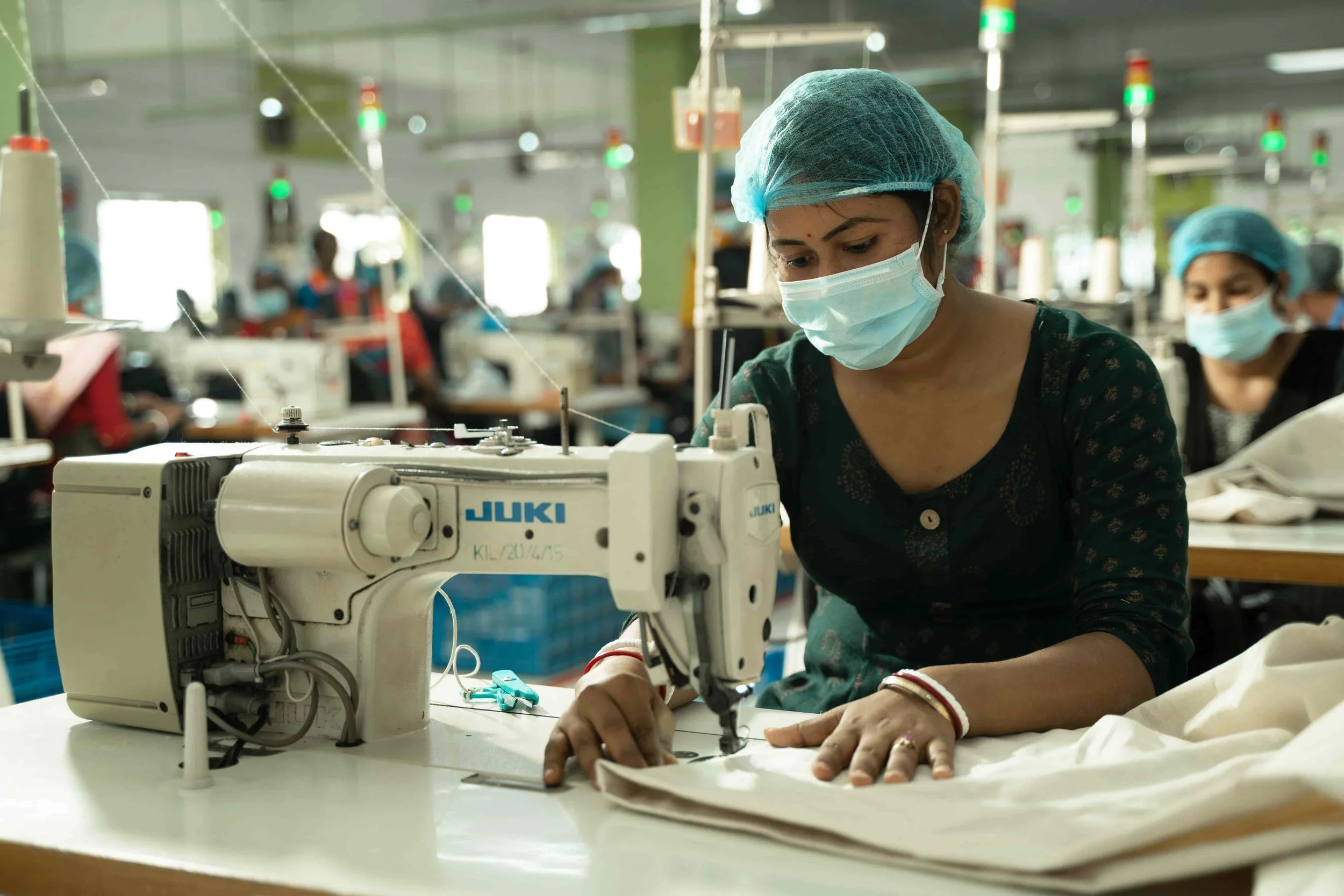
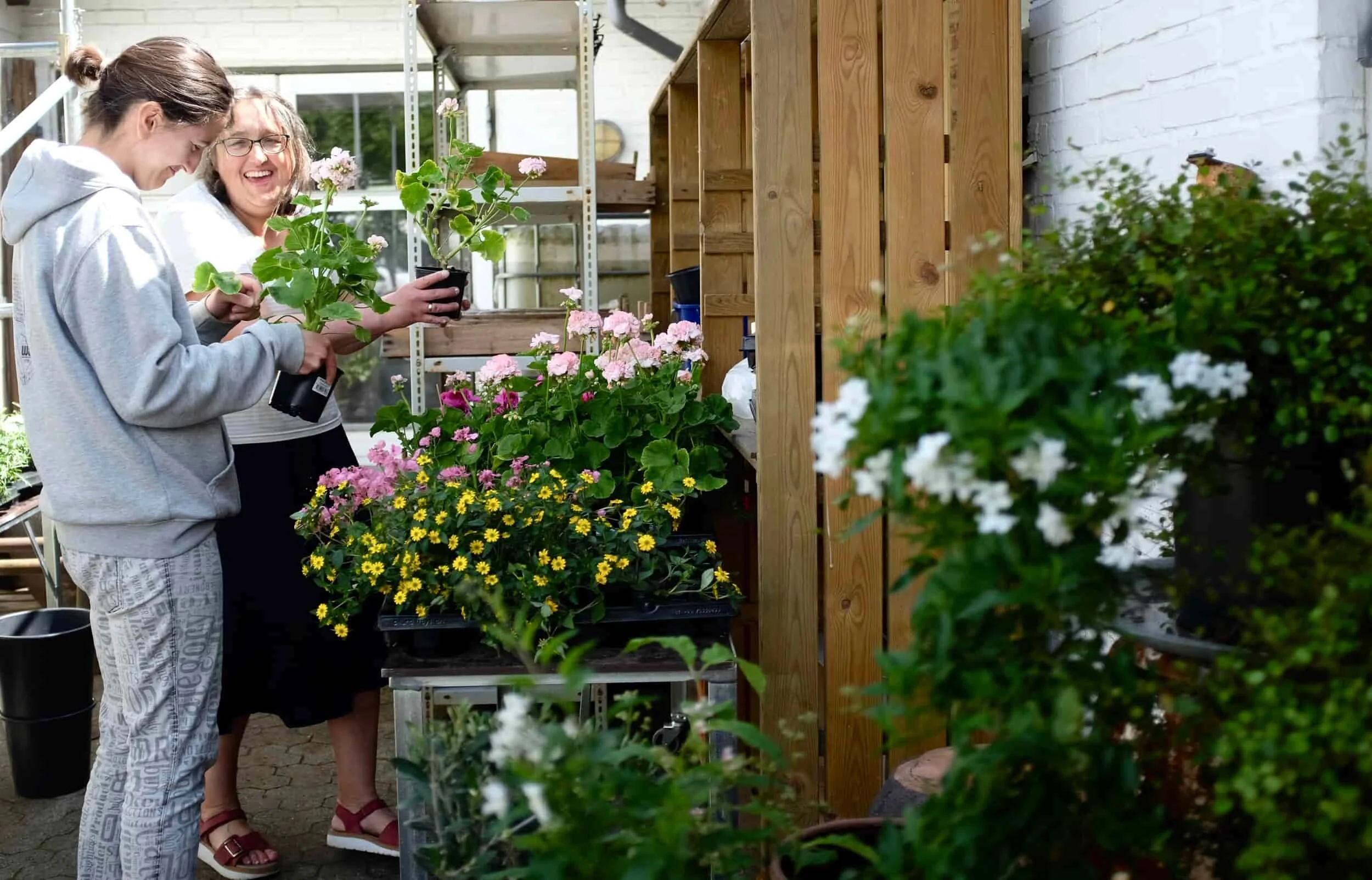
Across our value chain, we support decent work and inclusive growth. In India, we collaborate with a cotton bag factory powered partly by solar energy, operating under Solidarity Sourcing principles and providing jobs for a majority female workforce while contributing to local community development. In Denmark, our long-standing partnership with Elleslettegård creates meaningful employment opportunities for people with special needs.
All of this supports SDG targets 8.4, 8.7 and 8.8 – focused on resource-efficient production, eliminating exploitation in supply chains, and promoting safe and fair working conditions.
SDG 12: Responsible consumption and production
This is one of the goals where we can have the greatest impact – through the products we sell.
That’s why we work across the entire value chain – from product design and materials to packaging, waste, and communication.
We believe responsible production is about transparency, quality, and documentation.
We’ve developed a solid compliance setup and work systematically with:
Our approach includes:
· Reduce, Reuse, Recycle and Just-in-Time production
· Third-party compliance, testing and certification
· A strict anti-greenwashing principle: if we can’t document it, we don’t say it
· Circular packaging and EPR systems
· ISO 14001 to ensure structured environmental management
All of this supports SDG targets 12.2, 12.4, 12.5, 12.6, and 12.8 – focused on efficient resource use, responsible waste management, waste reduction, and transparent communication.
SDG 13: Climate action
Metz has committed to a Science Based Target to reduce CO₂ emissions in Scope 1 and 2 by 42% by 2030, in line with the 1.5°C pathway.
We continuously improve energy efficiency through:
• LED lighting and automatic light controls
• Heat pumps and optimized heating
• Internal energy policies and awareness initiatives
At the same time, we are mapping more of our Scope 3 emissions – including transport, materials, and waste – to gain a fuller picture of our climate footprint and identify where we can reduce the most.
Our goal is not just to reduce numbers, but to understand and improve our overall impact – across the entire value chain.
While SDG 13 primarily targets governments and national policy efforts, we have translated its ambition into our own business context.
Our work aligns particularly with target 13.2, by integrating climate goals and CO₂ reduction into our overall business strategy, and target 13.3, through internal awareness and energy initiatives that promote understanding and action on climate change.
SDG 17: Partnerships for the Goals
We don’t communicate directly about SDG 17 in our reporting – but partnerships are a natural and vital part of how we work with responsibility.
Our approach is built on collaboration – with customers, suppliers, and industry peers – because we believe the greatest results are achieved together.
Collaboration with third-party partners to ensure product compliance, documentation and transparency across the value chain
Participation in the Science Based Targets initiative and CDP reporting to support global climate transparency
Local partnership with Elleslettegård, creating job opportunities for people with special needs
Sharing our experiences with other companies starting their ESG journey, and with schools and educational institutions about how SMEs can work practically and credibly with the SDGs
Through our blog and LinkedIn communication, we share insights and examples from our ESG work to inspire others to take action in their own value chains
We live SDG 17 in practice, every time we collaborate, share knowledge or inspire others to take the next step.
The SDGs as part of our strategy
For us, the SDGs are not a campaign.
They help us communicate our impact in a global context and make our work easier to understand.
In our ESG and COP Report, the SDGs take up one page.
The rest is action, data and documentation – because that’s what builds trust.
We started with SDG 8 and SDG 12 back in 2019.
As our work has grown, more goals have become relevant.
The aim is always the same: to show, not just tell, where our actions make a real difference.
How you can get started as an SME
You don’t need to communicate about all 17 goals to make a difference.
Most companies will influence several goals, if not all, through different activities and supply chain decisions.
It’s about identifying where your company can make the biggest impact through the work you already do.
Our advice is simple:
Choose 2-3 goals that match your business.
Map what you already do. Many initiatives – like energy efficiency, workplace well-being, or waste management – already support one or more goals.
Take small, measurable steps. Switch to renewable energy, review your suppliers or minimize packaging. The opportunities are many.
Communicate honestly and document with data. It builds credibility and trust across the value chain.
Tell about what you’re actually doing and where you’re heading.
That’s what creates transparency, trust and real credibility – both internally and externally.
A shared direction
The SDGs don’t solve every problem – but they give us a shared language and a clear direction.
At Metz, it’s not about being perfect – it’s about taking responsibility where we can make a real difference.
For us, responsibility is not a project – it’s part of the way we do business every single day.
Knowledge databases
Want to dive deeper into the SDGs and the international principles.
Here are two solid knowledge databases where you can find facts, background information, and examples of responsible business practices:
https://www.verdensmaalene.dk/de-17-verdensmaal
An official introduction to all 17 SDGs, their targets, and practical examples of how they can be turned into action.
https://globalcompact.dk/de-ti-principper#verdensmalene
An overview of the UN’s 10 principles for responsible business – covering human rights, labour, environment, and anti-corruption – and how they support the SDGs in practice.
Want to learn more?
Explore our latest ESG & COP Report 2025 or contact us at csr@metz.dk to hear more about how we work with the SDGs in practice.